
Wings Machinery
Forklift parts play a crucial role in the efficiency of warehouse operations. The performance of a forklift can greatly depend on the quality and condition of its components. Each part contributes to the overall functionality and safety of the machine.
Many operators underestimate the importance of maintaining these parts. Regular inspection and timely replacement can prevent costly downtime. Components such as forks, tires, and batteries are vital for optimal performance. A single malfunction can disrupt operations and affect productivity.
Knowing which forklift parts to prioritize can make a significant difference. This guide will highlight the top ten essential components. Ensuring that these parts are reliable and efficient can lead to smoother operations and enhanced safety measures. Investing in quality forklift parts is an investment in the future of your operations.
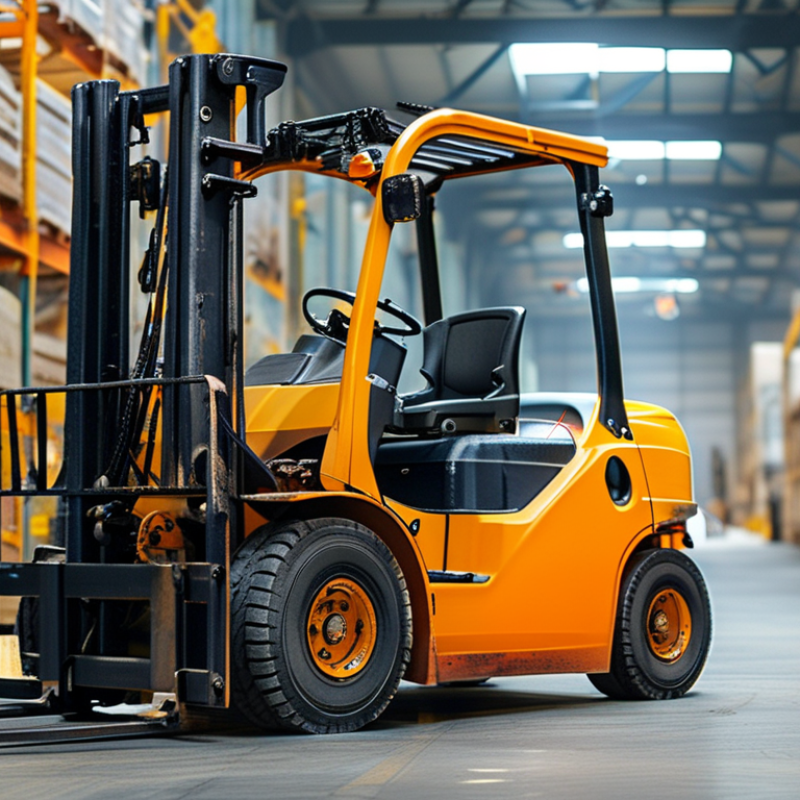
Forklift operations rely heavily on specific components for optimal performance. Essential parts such as forks, batteries, and wheels play crucial roles in efficiency. According to industry data, around 30% of unplanned downtime in warehouses can be attributed to faulty forklift parts. Regular maintenance and timely replacement of these components are vital.
The forks are the heart of a forklift, responsible for lifting loads. They must be durable and compatible with various materials. The recommended width, length, and thickness can influence the forklift's lifting capabilities. Batteries are another key component. Reports indicate that battery failures account for nearly 25% of operational issues. Proper care and routine checks can enhance their lifespan drastically.
Wheels may seem minor, yet they are integral to maneuverability. An uneven surface can lead to excessive wear on wheels. This wear not only affects performance but can create safety hazards. A survey revealed that poorly maintained wheels contributed to 15% of workplace accidents involving forklifts. Ensuring that all components are in top condition requires continuous monitoring and proactive measures.
When it comes to forklift operations, safety and reliability are crucial. According to the Occupational Safety and Health Administration (OSHA), improper use of forklifts accounts for over 100 fatalities each year. Ensuring that the right parts are in place can significantly reduce these risks.
Key components like safety belts and backup alarms enhance operator safety. A study by the National Institute for Occupational Safety and Health (NIOSH) found that improved visibility leads to a 30% reduction in accidents. Regular maintenance checks on hydraulic systems are equally vital. Faulty hydraulics can lead to equipment failure, endangering both the operator and nearby personnel.
Another critical element is the condition of the tires. Worn-out tires can affect traction and control. Data from industry reports show 40% of forklift accidents are linked to inadequate tire maintenance. Replacing tires regularly not only boosts performance but also promotes a safer working environment. Regular inspections of these parts should not be overlooked, as neglect can lead to costly downtime and safety hazards.
Forklift tires and wheels play a crucial role in ensuring operational stability. They are not just components but vital parts that contribute to overall safety. According to a report by the Industrial Truck Association, improper or worn tires can lead to a 40% increase in accidents. This highlights the need for regular inspections and timely replacements.
Choosing the right tires depends on the surface type and load. For instance, cushion tires are ideal for smooth, indoor surfaces, while pneumatic tires excel on rough terrains. Utilizing the correct type can reduce wear and improve traction. This, in turn, boosts efficiency by minimizing downtime.
Tips: Ensure that tires are properly inflated. Under-inflation can lead to decreased performance and unsafe conditions. Regularly check for signs of wear, such as cracks or uneven tread. Don’t ignore these details; they can make a significant difference in safety and productivity. Investing time in tire maintenance is often overlooked but essential for effective operations.
Forklift hydraulics play a crucial role in ensuring efficient load handling. The hydraulic system powers the lift mechanism, allowing for smooth elevation and lowering of pallets. A well-maintained hydraulic system enhances performance and safety in operations. When hydraulics function properly, loads are raised and moved swiftly, reducing overall operational time.
Tips: Regularly check hydraulic fluid levels. Low fluid can lead to sluggish performance. Inspect seals and hoses frequently for leaks. Even small leaks can compromise efficiency.
Investing time in hydraulic maintenance is essential. Faulty hydraulics can lead to accidents or equipment damage. Ensure that operators are trained to recognize hydraulic issues. Ignoring signs of malfunction can result in costly repairs.
Overall, a reliable hydraulic system is vital for forklift efficiency. Understanding its importance helps operators and businesses maintain safety and productivity. A focus on the details can improve operations significantly.
Maintaining your forklift parts is crucial for operational efficiency. Regular inspections play a key role in this process. Check the hydraulic systems often. Look for leaks or signs of wear. Don’t wait for problems to escalate. Addressing small issues can prevent larger, costly repairs later.
Proper lubrication is essential for various moving parts. Ensure all joints and bearings are well-greased. Neglecting this can lead to friction and damage. It's also wise to monitor tire conditions. Worn tires can affect stability and maneuverability. Regularly examine the treads for uneven wear.
Cleaning your forklift can often be overlooked. Dust and grime can accumulate in critical areas, affecting performance. Keep the engine and electrical connections clean. Discussing maintenance practices with your team can lead to better awareness. Encourage them to report any irregularities immediately. This proactive approach can make all the difference in sustaining equipment longevity.
: Forks, batteries, and wheels are key parts for optimal forklift performance.
Forks lift loads and their width, length, and thickness influence lifting capabilities.
Industry data shows about 30% of unplanned downtime is linked to faulty parts.
Battery failures cause nearly 25% of operational problems, making care essential.
Wheels affect maneuverability. Uneven surfaces can cause excessive wear and safety hazards.
Worn tires can lead to a 40% increase in forklift accidents, highlighting the need for checks.
Correct tires for the surface type reduce wear and boost efficiency significantly.
Under-inflation decreases performance and can create unsafe driving conditions for operators.
Regular inspections are critical to ensure all parts are in good condition and safe to use.
Signs like cracks or uneven tread can greatly impact safety and productivity.
Efficient operations in material handling heavily rely on key forklift parts that ensure optimal performance and safety. Essential components such as mast assemblies, forks, and steering mechanisms play a critical role in enhancing reliability. Additionally, specialized features of forklift tires and wheels contribute significantly to stability, helping prevent accidents during operation.
Equally important is the hydraulics system, which directly impacts load handling efficiency. Proper maintenance of these forklift parts, including regular inspections and timely replacements, is vital for prolonging their lifespan. By focusing on these crucial aspects, operators can achieve not only improved performance but also a safer working environment, ultimately leading to more productive operations.