
Wings Machinery
Agricultural equipment must work where surfaces are uneven, loads vary, and weather changes quickly. An Agricultural Forklift can move palletized feed, seed, fertilizer, and harvested produce, but the right machine depends on the farm’s layout and daily workload. Tire choice, ground clearance, lift capacity, mast height, and attachment compatibility all matter. So does access to local servicing.
The USDA’s 2022 Census of Agriculture counted about 1.9 million U.S. farms across roughly 880 million acres. Those figures describe a large, varied sector—not forklift demand directly. They do, however, show why one specification rarely suits every operation. A compact electric model may fit a covered packing area, while a rough-terrain machine with pneumatic tires may better handle muddy lanes and gravel yards. Small details count.
This guide compares ten agricultural forklifts for sale in 2026, focusing on practical specifications, intended applications, and ownership considerations. Buyers should verify rated capacity at the required lift height; capacity can change with attachments and load position. Check turning space, fuel or charging access, warranty terms, and parts availability before purchasing. Manufacturer specifications and dealer confirmation are essential, since configurations can differ by market. Some listings may look convincing, yet still leave important questions unanswered. That deserves a closer look.
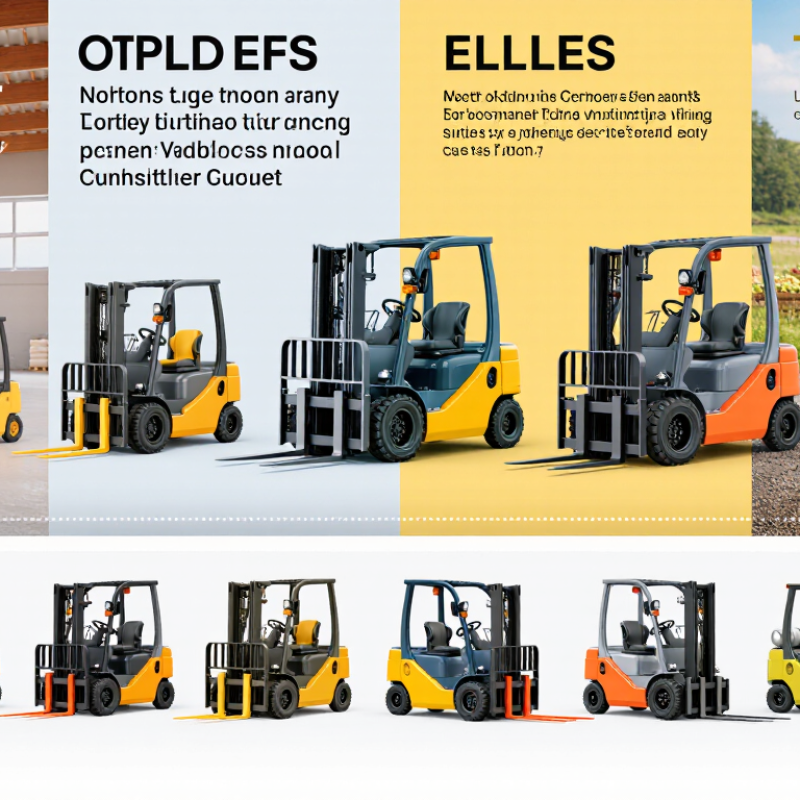
An agricultural forklift moves palletized feed, seed, fertilizer, produce, and equipment around farms. Compared with a warehouse truck, a farm-ready model may need greater ground clearance, agricultural tires, and protection from dust or rain. The right setup depends on the load, terrain, and storage layout—not simply the advertised lifting capacity.
USDA NASS reported 1,900,487 U.S. farms in its 2022 Census of Agriculture, spanning about 880 million acres. That range of farm sizes helps explain why no single forklift configuration suits every operation. On a small livestock farm, a compact machine may navigate narrow barn aisles and unload feed pallets. A produce operation may prioritize smooth handling near packing areas. Small yards differ. A tidy specification sheet cannot recreate a muddy lane after rain.
Before choosing a forklift, measure the heaviest load and check its dimensions, travel route, and unloading height. Rated capacity can change with the load center and installed attachments, so verify the capacity chart for the exact configuration. Consider tire traction, turning space, mast clearance, and where the machine will be stored. That matters. A practical choice balances lifting needs with real farm conditions, which can be messier than a sales listing suggests.
Top 10 Agricultural Forklifts for Sale in 2026: Key Features to Compare Before Choosing a Model
A forklift that works well in a warehouse may struggle in a muddy field. Compare tire type, ground clearance, and drive configuration against the surfaces you actually use. Pneumatic tires can handle rougher ground, while turf-friendly options may reduce damage around lawns or delicate crops. Check the rated capacity at the load center, too. A bulky pallet or attachment can reduce the weight the machine safely lifts. Small details matter.
Measure the narrowest doorway and aisle before comparing turning radius and overall width. Then check lift height against your tallest storage rack or trailer. For frequent outdoor work, weather protection, visibility, and easy-to-clean surfaces can make long shifts more comfortable. Compare fuel or battery options with your daily hours and access to charging or refueling. Service access matters as well. A machine that is difficult to maintain can lose useful work time. Specs don’t tell the whole story; a short test on familiar ground is worth considering.
Tips: Bring a typical load and measure its dimensions before viewing a forklift. Ask how capacity changes with your planned attachment. Check tire condition, mast movement, and brakes during a test. It’s easy to overlook operator comfort. Have the person who will use the machine try the seat, controls, and sightlines.
For 2026 buyers, “top 10” works best as ten job-fit categories, not a universal ranking: compact electric counterbalance, diesel counterbalance, LPG counterbalance, two-wheel-drive rough-terrain, four-wheel-drive rough-terrain, telehandler, articulated forklift, narrow-aisle forklift, walk-behind stacker, and tractor-mounted forklift. USDA NASS reported 1,900,487 U.S. farms operating 880.1 million acres in its 2022 Census of Agriculture. That range of farm sizes and layouts makes a single “best” machine unlikely. A narrow barn aisle needs a different footprint from a muddy feed yard. Fit matters more.
Compare rated capacity at the actual lift height, not just the largest number on a sales listing. Attachments can reduce usable capacity, while soft ground can make a machine feel unstable. Check tire wear, mast play, fork cracks, service records, and whether the turning radius suits your shed. The shortlist is imperfect; brochures rarely show a wet, rutted yard. BLS recorded 496 fatal work injuries across agriculture, forestry, fishing, and hunting in 2023; this is not a forklift-only count, but it underscores the importance of visibility, stable loads, and operator protection. A test drive with a realistic pallet can reveal more than a polished specification sheet.
How the Top Models Differ in Performance and Value
The best agricultural forklift depends on the ground, load, and daily workload. Compact models suit greenhouses, barns, and narrow feed alleys. Rough-terrain machines handle muddy yards and uneven tracks more confidently. Check rated capacity at the lift height you actually need; capacity can decrease as the mast rises. A big number on a specification sheet can mislead.
Power and tires shape performance. Electric forklifts can work well indoors, where low noise and no exhaust are useful. Their runtime depends on battery size, charging access, and temperature. Combustion-powered models may suit longer outdoor shifts, but fuel and maintenance affect ownership costs. Pneumatic tires and higher ground clearance help on soft ground, though they may add cost and reduce maneuverability. Compare turning space, mast visibility, service access, and warranty terms. Small details matter.
Tips: Bring your heaviest pallet and measure its load center before comparing machines. Ask dealers for a demonstration on similar ground, not just smooth concrete. Request a written estimate covering attachments, delivery, routine servicing, and likely tire replacement. Then compare total cost over several years, not purchase price alone. I would still leave room for uncertainty: farm conditions change, and quoted running costs are estimates.
Top 10 Agricultural Forklifts for Sale in 2026
Steps for Selecting and Buying the Right Farm Forklift
Start with the heaviest load you actually handle, not the machine’s advertised maximum. Include pallet weight, attachment weight, and any load carried high or far forward. A 1,500-kilogram capacity rating may fall when the load center changes. Check the capacity chart for your intended setup. Measure barn doors, aisles, trailer decks, and turning areas before arranging a demonstration.
Farm surfaces vary from concrete to wet gravel and packed soil. Match tire type, ground clearance, drive configuration, and mast height to those conditions. For repeated outdoor work, compare diesel, propane, and electric options against daily hours, refueling access, and charging time. OSHA’s widely cited estimates attribute about 85 forklift-related deaths and 34,900 serious injuries annually in the United States. Treat visibility, braking, stability, and operator protection as buying criteria, not extras.
Ask the seller for maintenance records, a cold-start demonstration, and a load test using your typical pallet. Watch for mast drift, uneven tire wear, hydraulic leaks, and sluggish steering. Check that local service and replacement parts are realistically available. A low price can hide downtime. I would inspect it twice. Price the full package, including attachments, delivery, training, and planned maintenance; then compare written quotes on the same basis. A clean specification sheet still cannot show how a forklift feels on your muddy lane.
It moves palletized feed, seed, fertilizer, produce, and equipment. A muddy yard changes the challenge. A forklift must match the load and route.
Farm models may offer greater ground clearance, agricultural tires, and weather protection. They handle dust, rain, and uneven tracks better. Smooth warehouse floors are easier.
Compact electric counterbalance forklifts can fit narrow aisles and indoor work areas. They produce no exhaust indoors. Battery runtime still needs checking.
Rough-terrain forklifts with pneumatic tires and higher clearance suit soft ground. Four-wheel drive may improve traction. Mud can still win.
Measure the heaviest pallet, its dimensions, and its load center. Check capacity at the required lift height. Attachments can reduce usable capacity.
Check tire wear, mast movement, fork cracks, service records, and visibility. Test the turning radius inside your shed. A polished listing proves little.
Electric models suit indoor work, low noise, and charging access. Diesel or LPG models may support longer outdoor shifts. Fuel, maintenance, temperature, and battery access affect costs.
Bring a realistic pallet and test the machine on similar ground. Check braking, steering, mast visibility, turning space, and stability. Smooth concrete is not enough.
Request estimates for attachments, delivery, servicing, tires, fuel, or charging equipment. Compare several years, not only the purchase price. Running costs remain estimates. Conditions change.
This guide explains how an Agricultural Forklift can support everyday farm work, from moving feed and supplies to handling pallets and equipment across barns, storage areas, and outdoor terrain. It outlines the main features to compare before choosing a model, including lifting capacity, reach, stability, tire type, maneuverability, power source, operator comfort, and ease of maintenance. These factors help match a forklift to the loads, surfaces, and working conditions found on a particular farm.
The article also reviews ten types of agricultural forklifts available in 2026 and compares how their performance, versatility, operating costs, and overall value may differ. A practical buying process helps readers assess farm tasks, confirm capacity requirements, consider site conditions, compare total ownership costs, and evaluate service and safety needs. By following these steps, buyers can narrow their options and select a dependable machine suited to their operations and budget.