 Wings Machinery
Wings Machinery
Wings Machinery
When it comes to heavy lifting, the significance of the All Terrain Forklift cannot be overstated. According to a recent industry report by the Material Handling Institute, the demand for these specialized forklifts has increased by 25% in the past three years. This surge reflects ongoing construction and logistics needs across various sectors. Expert John McKenzie, a leading voice in material handling, emphasizes, "All Terrain Forklifts are essential for navigating challenging environments while ensuring safety and efficiency."
Operating an All Terrain Forklift requires skill and knowledge. Understanding weight limits and terrain conditions can significantly enhance performance. A study by the Association of Equipment Manufacturers highlights that improper operation can lead to accidents, costing companies substantial time and money. Many operators underestimate these machines’ capabilities, not realizing that effective training is crucial for maximizing their potential.
Investing in proper training and understanding of the All Terrain Forklift can mitigate risks. The challenges operators face often stem from not adapting to the specific environments. This gap between knowledge and practice often creates opportunities for improvement. Ensuring that operators receive comprehensive training is essential for achieving optimal efficiency.
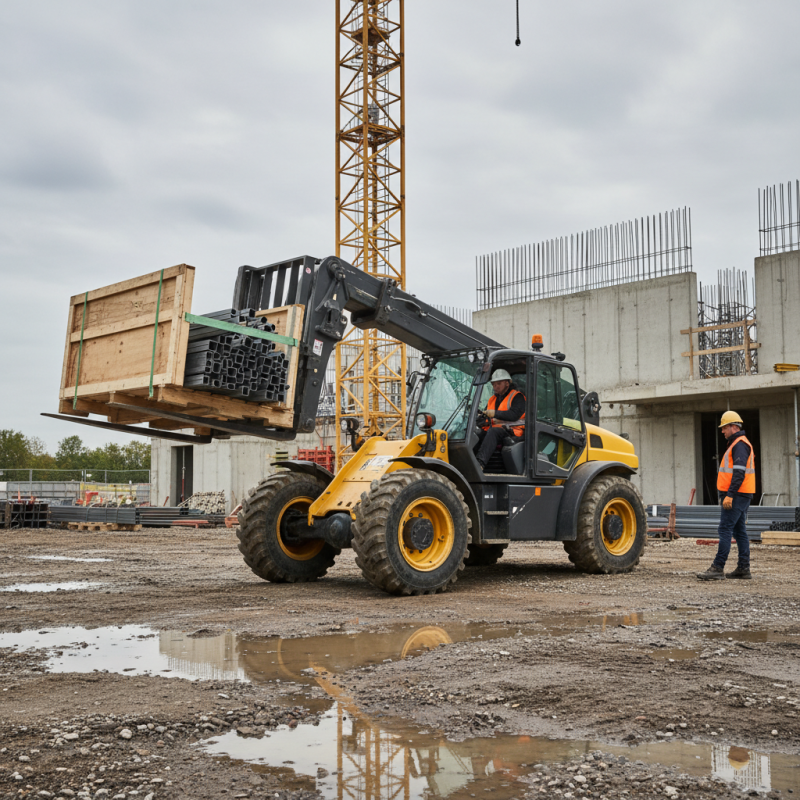
All terrain forklifts are versatile machines. They excel on uneven surfaces like construction sites or farms. Their wide tires and robust design enable them to carry heavy loads where traditional forklifts struggle. Understanding their applications is key for maximizing efficiency.
When using all terrain forklifts, safety is paramount. Always check the load weight before lifting. Overloading can lead to accidents. It's also crucial to maintain a low center of gravity while moving. This reduces the risk of tipping over. Operators should take a moment to familiarize themselves with the terrain. Rough ground can be unpredictable.
Regular maintenance ensures these forklifts perform optimally. Inspect the tires and hydraulics often. Look for signs of wear and tear. By keeping equipment in good condition, operators can prevent costly downtime. Training is also essential. Workers should know how to navigate different terrains efficiently. Continuous learning can enhance performance and productivity.
: They are designed for uneven surfaces like construction sites or farms. They carry heavy loads where standard forklifts cannot.
Always check the load weight and avoid overloading. Maintain a low center of gravity while moving to prevent tipping.
Check all safety features and ensure the forklift is operational. A pre-operation checklist can help prevent equipment failures.
Operators need to understand the equipment's capabilities and limitations. Proper training reduces workplace injuries associated with improper use.
Regular inspections are vital. Check fluid levels frequently to prevent costly repairs and ensure optimal performance.
Tires should have adequate tread and be free from damage. Frequent inspections can prevent safety issues on uneven ground.
Avoid overloading and maintain clear visibility. Use a spotter in tight spaces to enhance safety during operations.
Continuous learning enhances performance and helps operators recognize potential problems. It’s crucial for maintaining safety and efficiency.
A damaged fork can lead to accidents. Regular inspections are necessary to detect bending or cracking early.
Consider using a load monitoring system for real-time feedback on weight distribution. This reduces risks associated with heavy lifting.
All Terrain Forklifts are versatile machines designed for heavy lifting tasks in rugged environments. They come with key features such as enhanced stability, off-road capabilities, and robust lifting capacities, making them ideal for construction sites, warehouses, and agricultural settings. Understanding their applications is crucial for optimizing efficiency and safety while working.
To operate All Terrain Forklifts safely, it is essential to follow best practices, including proper training and awareness of the surrounding environment. Regular maintenance is also vital to ensure these forklifts function at maximum efficiency, helping to mitigate common challenges such as navigating uneven terrain and maintaining balance while lifting. By adhering to these guidelines, operators can enhance productivity and ensure safe heavy lifting operations with All Terrain Forklifts.
