
Wings Machinery
Choosing the best electric forklift for your business is crucial. The right equipment can greatly enhance productivity and efficiency. Understanding the diverse models available and their unique features is essential. Electric forklifts are popular due to their low emissions and reduced noise levels. They are suitable for indoor and outdoor use, making them versatile.
When selecting an electric forklift, consider the load capacity and the environment where it will operate. Factors like lifting height and battery life also matter. An ideal model can save you costs in maintenance and energy consumption. However, not all options suit every business's needs. Businesses must avoid rushing into a decision.
Reflect on your warehouse layout and workflow. These elements influence the choice of an electric forklift. Seek expert advice if needed, but trust your judgement too. Balancing needs against features can lead to better decision-making. Choosing wisely today can pave the way for a smoother operation tomorrow.
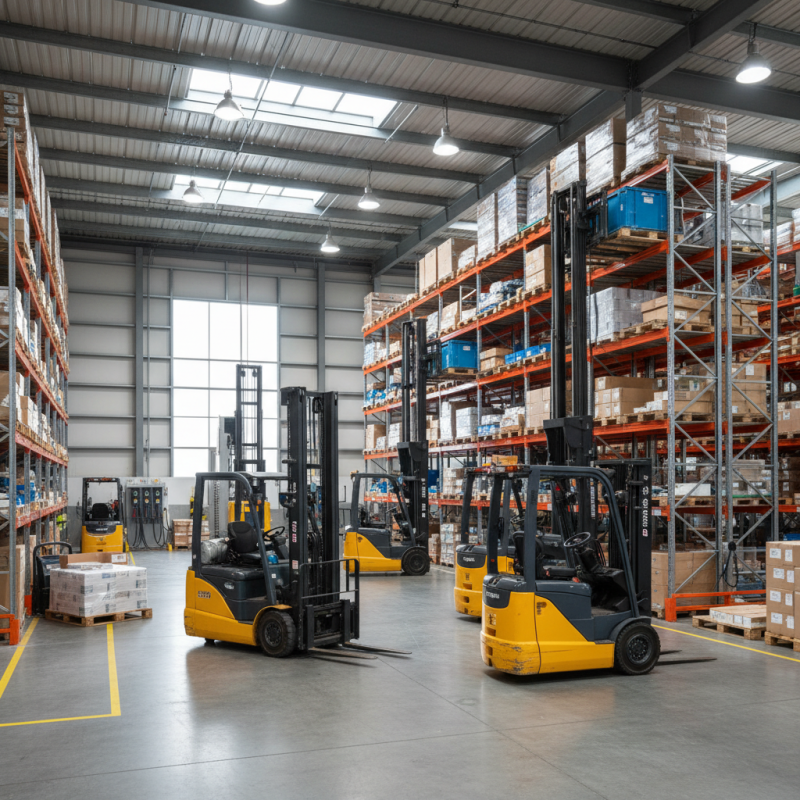
When selecting an electric forklift, understanding your specific business needs is crucial. Start by evaluating the nature of your operations. Are you primarily lifting heavy pallets or navigating tight spaces? Consider the weight capacity required. Electric forklifts come in various capacities, so choose one that matches your heaviest loads.
Then, think about your workspace and its dimensions. A compact design may be necessary for smaller warehouses. The turning radius is vital if you operate in narrow aisles. Think about the surfaces as well. Rough terrain may necessitate a different type of electric forklift, impacting your choice.
Battery life is another crucial factor. Electric forklifts rely on batteries, which means understanding your charging infrastructure is essential. Some businesses underestimate charging times and cycle limits. This can lead to downtime. Reflect on your operation's intensity and determine the best battery type for your requirements. Ideal choices often hinge on these details, guiding you toward the most suitable forklift for your needs.
When choosing an electric forklift, key features are essential. First, consider the battery type and energy efficiency. Lithium-ion batteries offer faster charging times and longer lifespans, making them a popular choice. According to a 2022 industry report, 80% of businesses prefer lithium-ion for these benefits. However, lead-acid batteries still hold a place in some operations due to their lower initial cost.
Another crucial feature is lifting capacity. Understanding your material handling needs is vital. Electric forklifts can handle loads ranging from 2,000 to 20,000 pounds. Businesses must assess their highest lifting requirements. Neglecting this step can lead to safety risks and increased wear on equipment.
Maneuverability is also important, especially in tight spaces. Some electric forklifts are designed for narrow aisles. However, these models may reduce weight capacity. A balance is necessary. Do thorough research to determine the best fit for your operations. This ensures you invest in a reliable solution that meets your specific requirements.
When evaluating different electric forklift models, consider how each aligns with your specific operational needs. Each model accounts for various factors like load capacity, battery life, and overall versatility. For example, a forklift with a higher lifting capacity may seem ideal, but determine if it's necessary for your workload. A model that is too powerful can be challenging to maneuver in tight spaces.
Battery type is another critical aspect. Lithium-ion batteries offer faster charging times and longer life spans compared to traditional lead-acid batteries. However, they often come with a higher upfront cost. Reflect on how often your forklifts will be in use. A more expensive battery option might pay off over time with reduced downtime and maintenance.
Lastly, assess the handling and stability features of each model. Electric forklifts can differ greatly in design, affecting control and ease of use. Consider having operators test drive a few models to gauge comfort and functionality. It’s okay if a model doesn't meet all expectations—feedback from operators can drive improvements. Take the time to gather input from your team to make an informed decision that best suits your business needs.
When selecting the right electric forklift, understanding the total cost of ownership is crucial. This encompasses more than just initial purchase costs. Consider operational expenses, maintenance, and energy consumption. Each aspect can significantly affect your budget over time.
One key tip is to evaluate the maintenance costs associated with electric forklifts. Regular servicing is essential but can be costly if not budgeted properly. Research local service providers and their pricing structures. This helps in getting a clearer picture of total expenses.
Another important factor is energy usage. Electric forklifts are generally more efficient than their gas counterparts. However, the cost of electricity varies. Calculate your average daily usage and multiply it by energy rates in your area. This gives a better view of long-term energy costs.
It's also wise to think about resale value. Some electric forklifts depreciate slower than others. Look into market trends before making a final decision. A model with a better resale value can balance out the higher initial costs.
When considering electric forklifts for your business, maintenance and support play crucial roles. Regular maintenance is essential to maximize the lifespan of these machines. According to industry reports, effective maintenance can increase forklift life by up to 50%. Proper care helps avoid costly downtimes and repairs.
Routine inspections should include checking batteries, brakes, and tires. Neglecting these components can lead to operational inefficiencies. A study indicated that 70% of electric forklift failures stem from poor maintenance. This highlights the need for a reliable support system. Workers must be trained to perform basic checks regularly.
Another aspect is finding a trustworthy service provider. The availability of prompt support can minimize downtime significantly. An effective support team should offer quick responses to issues. Regular training programs keep operators updated on best practices. Investing in maintenance and support ensures your electric forklift remains reliable. It boosts overall productivity and reduces unexpected costs.
| Feature | Description | Importance |
|---|---|---|
| Load Capacity | The maximum weight the forklift can lift. | Critical for determining suitability for specific tasks. |
| Battery Life | The duration a forklift can operate before needing a recharge. | Essential for work efficiency and reducing downtime. |
| Mast Height | The maximum height the forklift can lift loads vertically. | Important for warehouse layouts with vertical storage. |
| Turning Radius | The minimum space required for the forklift to turn. | Crucial for maneuvering in tight spaces. |
| Maintenance Requirements | The upkeep needed to keep the forklift in good working condition. | Directly impacts long-term operational costs. |
| Warranty and Support | Warranty coverage and availability of customer support. | Vital for peace of mind and efficient issue resolution. |
| Cost of Ownership | The total costs involved including purchase, maintenance, and operation. | Essential for budgeting and return on investment analysis. |
: Assess load capacity, battery life, and versatility based on your specific operational needs.
Different batteries affect charging speed, lifespan, and upfront costs. Lithium-ion offers benefits, but costs more initially.
Evaluate your workload. A high capacity may not be needed and could complicate maneuvering.
Regular inspections of batteries, brakes, and tires are crucial. This can enhance lifespan by up to 50%.
Routine checks should be done regularly to avoid operational inefficiencies and costly failures.
Operators' insights can help identify strengths and weaknesses. It’s okay if a model does not meet all expectations.
Training workers to perform basic checks regularly enhances care and reduces the risk of failures.
Quick responses to issues minimize downtime, keeping operations running smoothly and efficiently.
Look for providers known for prompt support and effective communication.
Neglect can lead to failures; studies indicate that 70% of issues arise from poor maintenance practices.
Choosing the best electric forklift for your business involves a thorough understanding of your specific operational needs. Key features such as lift capacity, battery life, and maneuverability are essential considerations, as they impact efficiency and productivity in your facility. Evaluating different electric forklift models based on these features will help identify the best fit for your workspace.
Additionally, it is crucial to consider the total cost of ownership, which includes initial purchase costs, operational expenses, and potential resale value. Proper budgeting ensures that you are prepared for these financial commitments. Maintenance and support are also vital aspects, as reliable service can enhance the longevity and performance of your electric forklift, ensuring it meets the demands of your business.
