
Wings Machinery Wings Machinery

How to Choose the Best Forklift Trucks for Your Business?

Time:2026-07-29 Author:Sienna
0%

Choosing the best forklift trucks is crucial for optimizing warehouse and logistics operations. The global forklift truck market is projected to reach $60 billion by 2027, according to industry reports. With an increasing demand for efficient material handling solutions, businesses must assess their specific needs carefully.

When selecting forklift trucks, it’s essential to consider factors such as load capacity, lifting height, and fuel type. Electric forklifts are gaining popularity for their low emissions and cost-effectiveness. However, internal combustion models still dominate sectors that require heavy lifting capabilities. Many companies overlook maintenance costs, which can affect long-term reliability.

Workforce safety is another critical aspect. Forklift-related accidents account for a significant percentage of workplace injuries. Thus, investing in the right equipment can enhance safety and productivity. Businesses should not rush the decision-making process, as choosing the wrong forklift could lead to inefficiencies and increased operational costs. Ultimately, a well-informed choice will pay off in the long run.
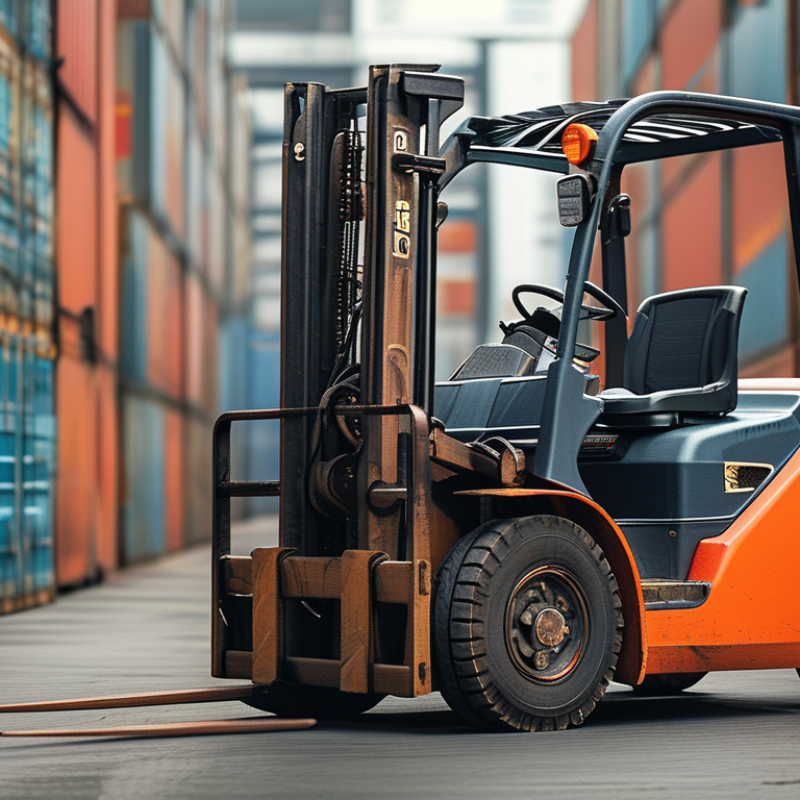
How to Choose the Best Forklift Trucks for Your Business?

Understanding Your Business Needs for Forklift Trucks

When selecting forklift trucks, understanding your business needs is key. Assess the nature of your operations. Will you be handling heavy loads or lighter packages? Each type of forklift caters to different capacities. Determining your load requirements early helps narrow down your options effectively.

Consider the environment where the forklifts will be used. Will they operate indoors or outdoors? Indoor forklifts typically have smaller frames. Outdoor models need robust durability. Pay attention to space limitations. Some forklifts require more turning radius, while others fit in tighter spaces.

Do not overlook the importance of your workforce. Training is essential. An experienced operator can enhance productivity and safety. However, hiring and training staff can be costly and time-consuming. Evaluate your team’s current skill level. Are they familiar with advanced technology? Knowing strengths and weaknesses in your team will guide your choice of forklifts. Balancing these factors can be challenging, but it fundamentally impacts efficiency and safety.

Evaluating Different Types of Forklift Trucks Available

When evaluating different types of forklift trucks, it’s crucial to focus on your business needs. Consider the load capacities required. For lighter loads, electric forklifts are often a good choice. They operate quietly and are ideal for indoor use. On the other hand, if your operation involves heavier loads, a diesel or gas-powered forklift may be better suited. These models excel in outdoor environments and can handle rough terrains.

Next, think about the turning radius of the forklifts. Smaller turning radiuses allow for maneuverability in tight spaces. This feature is essential in warehouses where every inch matters. Visibility is another key factor. Forklifts with better visibility enhance safety and efficiency. Operators need to see their surroundings clearly to prevent accidents.

It's important to consider maintenance requirements for each type. Some forklifts demand more frequent maintenance than others. Assessing uptime and servicing costs is necessary for long-term planning. While electric forklifts have fewer mechanical parts, they may require regular battery checks. Reflecting on all these factors will ensure you choose the right forklift for your operations.

Key Specifications to Consider When Choosing a Forklift

When selecting forklift trucks for your business, key specifications play a crucial role. Understanding load capacity is vital. Most forklifts can lift between 3,000 and 5,000 pounds. Evaluating your typical load helps ensure safety and efficiency. An inappropriate capacity may lead to accidents. In fact, according to the Occupational Safety and Health Administration (OSHA), improper capacity results in a significant percentage of industrial accidents.

Maneuverability is another critical specification. Forklifts come in various designs, affecting their ability to navigate tight spaces. For warehouses with narrow aisles, a compact design is essential. A report by the Material Handling Industry of America highlights that about 70% of businesses face space constraints. Companies should also consider fuel type. Electric forklifts are quieter and cleaner, suitable for indoor use. Diesel-powered options, however, offer more power for outdoor tasks.

Investing in ergonomic features can enhance operator comfort and productivity. Features such as adjustable seats and intuitive controls reduce strain. To improve safety, consider models equipped with stability systems and visibility enhancements. Reflect on your specific operational needs to choose the right forklift. Neglecting these specifications can lead to inefficiencies and higher operational costs.

How to Choose the Best Forklift Trucks for Your Business? - Key Specifications to Consider When Choosing a Forklift

Specification Description Importance
Load Capacity The maximum weight the forklift can lift. Essential for ensuring safety and efficiency in operations.
Lift Height The maximum height to which the forklift can raise loads. Critical for tasks involving high storage locations.
Fuel Type The energy source for the forklift (electric, diesel, gas). Affects operational costs and environmental factors.
Maneuverability The ease with which the forklift can move in tight spaces. Important for warehouse operations with limited space.
Operator Comfort Features that enhance the comfort and safety of the operator. Affects productivity and operator health.
Maintenance Requirements Frequency and type of maintenance needed for the forklift. Impacts ownership costs and downtime.

Assessing Budget and Cost of Ownership for Forklifts

When assessing the budget for forklift trucks, it’s vital to consider the total cost of ownership. This includes not just the initial purchase price, but also long-term expenses like maintenance, fuel, and insurance. Many businesses underestimate these ongoing costs when making a decision. Analyzing each element helps create a clearer financial picture.

Operating costs can vary based on forklift type and usage. Electric forklifts generally require less maintenance than internal combustion models. However, charging infrastructure and battery replacement costs can add up. It’s crucial to evaluate your specific operational needs and weigh the trade-offs between upfront investment and future expenses.

Another key factor is resale value. Some forklifts retain their value better than others. Consider how often you will update your equipment. A forklift that holds its value may prove more economical in the long run. Miscalculating these aspects can lead to financial strain. Being mindful of every detail helps ensure a more informed purchasing decision.

Researching Brands and Vendors for Reliable Forklift Options

Researching brands and vendors is crucial for selecting reliable forklift options. Start by assessing your specific needs. Consider the load capacity, lift height, and fuel type. Your choice must align with your business requirements. For instance, if you operate in tight spaces, a compact model may be essential.

Look for vendors with solid reputations. Read customer reviews and industry ratings. Engage with other businesses in your field. They can provide insights into their experiences. Despite these resources, remember that each user's needs vary widely. A model suitable for one company may not fit yours at all. This realization can be a tough pill to swallow, yet it reinforces the importance of thorough research.

Don’t rush the decision-making process. Building a relationship with vendors can offer additional support. Assess the quality of after-sales service and maintenance options. A reliable vendor should be transparent about costs and services. However, some may not fully disclose hidden fees. Keep asking questions until you feel confident. Your diligence can save headaches in the long run.

Forklift Trucks Market Comparison Based on Load Capacity

FAQS

: What should I assess when selecting forklift trucks?

: Understand the nature of your operations, like the load size and weight.

How do environment and space affect forklift selection?

Indoor forklifts are smaller. Outdoor models are designed for durability. Space limitations also matter.

Why is workforce training important in forklift operations?

Trained operators boost efficiency and safety. However, training can be time-consuming and costly.

What types of forklift trucks exist for different capacities?

Electric forklifts are great for lighter loads indoors. Diesel or gas forklifts handle heavier loads outdoors.

Why is turning radius a crucial factor?

Smaller turning radiuses improve maneuverability in tight spaces, especially in warehouses.

How does visibility impact forklift operations?

Better visibility enhances safety. Operators must clearly see their surroundings to avoid accidents.

What maintenance considerations should I keep in mind?

Some forklifts require more maintenance than others. Consider servicing costs for long-term planning.

What load capacity should I choose for my forklift?

Most forklifts handle 3,000 to 5,000 pounds. Choosing the right capacity ensures safety and efficiency.

How can ergonomic features benefit forklift operators?

Adjustable seats and easy controls enhance comfort. This can lead to increased productivity over time.

What could happen if I neglect forklift specifications?

Neglecting key specifications may cause inefficiencies and higher operational costs in the long run.

Conclusion

When selecting the best Forklift Trucks for your business, it is essential to first understand your specific operational needs. Consider the types of loads you will be handling, the working environment, and the required lifting capacity. Different types of Forklift Trucks are available, from electric to internal combustion models, and evaluating these options will help you identify the most suitable choice.

Key specifications such as lifting height, weight capacity, and fuel efficiency play a crucial role in your selection. Additionally, assessing your budget and understanding the total cost of ownership is vital for ensuring both short-term and long-term financial feasibility. Lastly, thorough research into various brands and vendors will lead you to reliable Forklift Truck options that align with your business requirements. By following these steps, you can make an informed decision that enhances your operational efficiency.

Sienna

Sienna

Sienna is a skilled marketing professional with a deep expertise in our company’s core products and services. With a passion for innovation and detail, she plays a pivotal role in crafting insightful blog posts that not only highlight the unique features of our offerings but also provide valuable......