
Wings Machinery
In the fast-paced world of warehouse operations, efficiency can make or break productivity. One key piece of equipment that stands out is the Side Load Forklift. This specialized forklift is designed to handle long loads in tight spaces, making it an excellent choice for warehouses with narrow aisles. With a Side Load Forklift, operators can navigate through congested areas without sacrificing performance.
Choosing the right Side Load Forklift is crucial. It requires a deep understanding of both the equipment and the specific needs of your warehouse. Factors like load capacity, maneuverability, and operator comfort all come into play. Not all options are created equal. Some models may excel in one area while falling short in another. This can lead to challenges in daily operations.
Operating Side Load Forklifts also brings risks. Training is vital to ensure safety and efficiency. Inadequate training can lead to accidents and decreased productivity. Reflecting on these aspects can help warehouse managers make informed decisions that enhance overall efficiency while minimizing potential pitfalls.
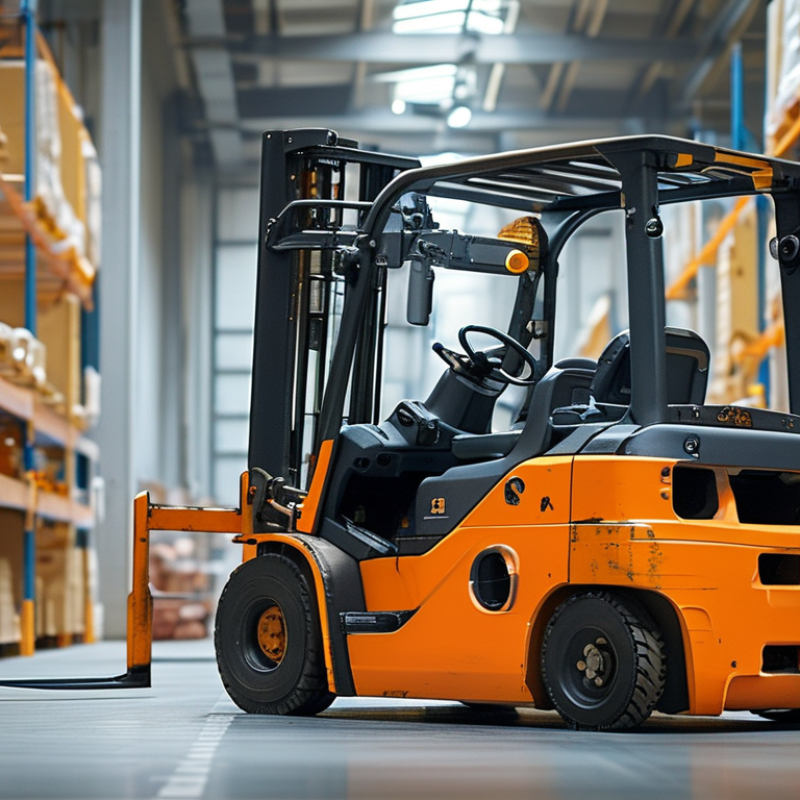
In modern warehouse operations, side load forklifts are increasingly popular due to their versatility. These machines efficiently handle long loads and navigate narrow aisles. Industry reports indicate that 30% of warehouses are now implementing side loaders for their distinct advantages.
Top side load forklift models excel in specific tasks. For instance, models equipped with advanced maneuverability can reduce the need for aisle space by up to 20%. This means better space utilization in warehouses, a critical factor in maximizing storage. Drivers report less fatigue, leading to increased productivity. But not every model fits every environment. Unsuitable forklift choices can lead to operational inefficiencies and safety hazards.
An analysis from the National Institute of Occupational Safety and Health shows that proper equipment reduces accident rates by up to 40%. Yet, there's room for improvement. Operators often require extensive training to manage side load forklifts effectively, and that can be a barrier for some. As the industry evolves, selecting the right forklift model becomes crucial. It is essential to evaluate each option based on the unique demands of your warehouse.
When considering side load forklifts for warehouse operations, several key features can enhance efficiency. Load capacity is paramount. It determines how much weight the forklift can handle safely. A model with a capacity of over 5,000 pounds can be beneficial for larger inventory.
Visibility is another critical factor. Side load forklifts often have unique designs, providing better sightlines. This aspect helps operators navigate tight spaces and enhances safety. Additionally, ergonomic controls are vital. Operators will appreciate design features that reduce strain during long shifts, ultimately impacting productivity.
Tips: Ensure the forklift has a robust turning radius. This trait allows sharper turns, which is useful in cramped areas. Regular maintenance checks are crucial to avoid unexpected downtimes. Lastly, consider the power source; electric models can offer quieter operation and lower operating costs over time. Evaluating these features can significantly influence overall warehouse performance.
In the realm of warehouse operations, understanding load capacities and operational costs is vital. Side load forklifts, with their unique design, can handle a range of loads while navigating tight spaces efficiently. According to industry reports, these units can typically lift between 3,000 to 10,000 pounds. This flexibility makes them ideal for various applications, from palletized goods to longer materials.
When considering operational costs, several factors come into play. The average cost for operating a side load forklift ranges from $12 to $20 per hour in typical warehouse settings. Maintenance can also reflect these costs; issues like tire wear or hydraulic system failures can inflate expenses unexpectedly. It's imperative to conduct thorough inspections regularly.
Despite their advantages, challenges persist. For instance, the higher upfront investment of side load forklifts can be daunting for smaller operations. A detailed analysis of your specific needs is crucial. Everyone wants efficiency, but not every solution fits flawlessly. Balancing load capacity with a budget demands close attention.
Side load forklifts play a crucial role in optimizing warehouse space. Unlike traditional forklifts, they have a unique design. Their ability to maneuver in tight aisles allows for better storage configurations. With a side-loading strategy, warehouses can utilize vertical space more efficiently. It enables operators to stack goods more closely together. This results in maximizing storage capacity without compromising accessibility.
Additionally, side load forklifts can handle longer loads with ease. This is particularly beneficial in facilities that store long or oversized items. The forklift’s design minimizes the need for wide aisles. However, this can introduce challenges in operator training and maneuverability. Employees may require more practice to operate them safely and effectively. Balancing safety with efficiency is vital in high-density storage environments.
Warehouse managers must also consider maintenance and performance. Side load forklifts may require more upkeep due to their unique mechanics. Operators need to stay vigilant about wear and tear. Regular maintenance is essential to prevent operational downtime. In facing these challenges, it’s important to weigh the benefits against the potential drawbacks. Properly trained personnel can make a significant difference in overall effectiveness.
Side load forklifts are transforming warehouse operations. They provide innovative solutions for narrow aisle storage and heavy loads. According to a recent industry report, about 30% of warehouses are adopting side load forklifts to maximize storage efficiency. This shift reflects a growing trend toward optimizing space in crowded facilities.
Recent advancements focus on enhanced maneuverability and operator comfort. New models feature improved ergonomic designs and intuitive controls. Many forklifts now come equipped with advanced technologies like RFID for real-time inventory tracking. These features help reduce operational delays and increase productivity, a crucial factor as warehouses aim for faster turnarounds.
Data shows that companies using side load forklifts report up to a 15% increase in operational efficiency. However, the reliance on these machines also brings challenges. Proper training is essential. Operators must adapt to different handling techniques. The learning curve can impact initial productivity. Adjustments are necessary for long-term gains. Embracing these forklift innovations requires a commitment to ongoing training and safety practices.
| Forklift Model | Load Capacity (lbs) | Lift Height (inches) | Mast Type | Power Source | Special Features |
|---|---|---|---|---|---|
| Electric Side Loader A | 4000 | 200 | Triplex | Electric | Compact Design, Enhanced Maneuverability |
| Diesel Side Loader B | 5000 | 240 | Duplex | Diesel | High Performance, Long Runtime |
| Hybrid Side Loader C | 6000 | 220 | Triplex with Integral Side Shift | Hybrid | Eco-Friendly, Reduced Emissions |
| Electric Side Loader D | 3500 | 180 | Triplex | Electric | Low Noise Operation, Ergonomic Design |
| Gas Side Loader E | 7000 | 260 | Duplex | Gas | Rapid Lift Speed, High Durability |
: Side load forklifts are designed to handle loads in tight spaces, ideal for palletized goods and long materials.
They can typically lift between 3,000 to 10,000 pounds, depending on the model and design.
Operating costs range from $12 to $20 per hour in typical warehouse settings.
Issues like tire wear and hydraulic system failures can raise maintenance expenses unexpectedly.
Regular inspections help prevent sudden maintenance costs and ensure ongoing efficiency in operations.
The higher initial investment can be daunting for smaller operations, requiring careful financial consideration.
About 30% of warehouses are adopting them, leading to a significant increase in storage efficiency.
New models feature ergonomic designs and advanced technologies, helping improve operator comfort and productivity.
Operators need to adapt to unique handling techniques, which can affect initial productivity levels.
Embracing innovations demands ongoing training and a focus on safety practices.
The article explores the best options for Side Load Forklifts, which are essential for enhancing efficiency in warehouse operations. It examines various models that excel in maneuverability and load handling capabilities, making them suitable for narrow aisles and tight spaces. Key features to consider when selecting a Side Load Forklift include steering functions, load stability, and operator comfort, all of which contribute to improved productivity.
Additionally, the article highlights a comparison of load capacities and operational costs associated with different Side Load Forklift models, aiding businesses in making informed decisions. The impact of these forklifts on warehouse space utilization is also discussed, showcasing how they maximize storage efficiency. Lastly, the piece reviews the latest industry trends and innovations, emphasizing the continuous advancements in Side Load Forklift technology that aim to meet evolving operational needs.
